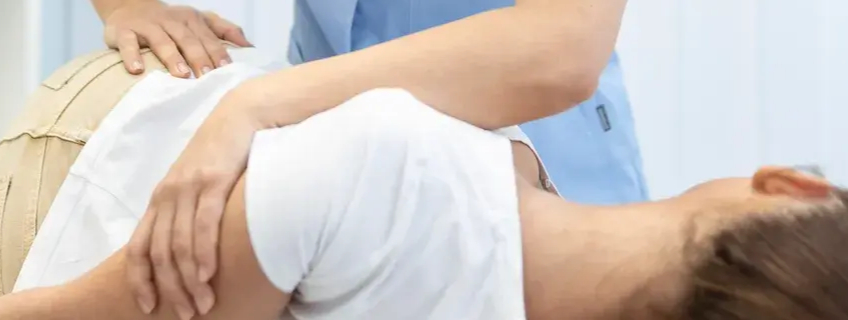
Spinal Cord Injury Rehabilitation: A Complete Guide to Recovery and Care
A spinal cord injury can affect everyday activities, self-sufficiency, and mental health in addition to limiting movement. While each person's recovery process is different, the right rehabilitation program can help patients regain function, adapt to new challenges, and aim for greater independence. Access to specialized spinal cord injury rehabilitation has enabled more people in Oman to receive professional care closer to home.
At Aster Al Raffah Walk Again, personalised SCI rehab treatment combines clinical expertise, advanced rehabilitation techniques, and compassionate care to support recovery at every stage.
Why Early Rehabilitation Matters After a Spinal Cord Injury
Movement, sensation, and muscle control can all be impacted by a spinal cord injury, which alters how signals are sent from the brain to the body. The goal of rehabilitation is to reduce the effects of long-term complications while helping patients make the most of their physical capabilities. Patients can gradually gain strength, self-assurance, and independence by starting therapy as early as is medically necessary.
Rehabilitation focuses on helping patients:
- Improve strength and physical function
- Regain balance and mobility where possible
- Learn techniques for safer everyday movement
- Reduce the risk of secondary complications
- Increase independence in daily activities
- Improve overall quality of life
As explained in the National Institute of Neurological Disorders and Stroke (NINDS), rehabilitation plays an important role in helping people with spinal cord injuries maximise function and independence.
What Does SCI Rehab Treatment Include?
SCI rehab treatment is designed to address the physical, functional, and emotional challenges associated with spinal cord injuries. A personalised programme combines different therapies to improve mobility, strength, and everyday function while supporting long-term recovery.
Treatment plans are reviewed regularly to ensure they continue to meet each patient's changing needs.
Rehabilitation may include:
- Spinal injury recovery therapy
- Physiotherapy and strengthening exercises
- Occupational therapy
- Balance and transfer training
- Pain management strategies
- Education for patients and caregivers
Rehabilitation Services That Support Recovery
Successful rehabilitation often involves a combination of therapies working together. Each service plays an important role in helping patients improve function, mobility, and independence.
| Rehabilitation service | How it supports recovery |
|---|---|
| Spinal injury recovery therapy | Improves strength, mobility, and functional independence |
| Neuro-Rehabilitation for SCI | Supports recovery by addressing movement, coordination, and neurological function. |
| Exoskeleton Rehabilitation | Assists with walking practice for selected patients under specialist supervision |
| Mobility Restoration Therapy | Helps patients improve balance, transfers, and everyday movement |
Advanced Approaches to Spinal Cord Injury Rehabilitation
Advances in rehabilitation technology have created new opportunities for people recovering from spinal cord injuries. Alongside conventional therapy, specialised rehabilitation techniques help patients practise movement safely while encouraging functional improvement.
These approaches are designed to support neuroplasticity in spinal injury, allowing the nervous system to adapt through repetitive, purposeful movement.
Advanced rehabilitation may include:
- Gait training SCI programmes
- Paralysis recovery therapy
- Functional movement practice
- Technology-assisted walking exercises
- Individualised mobility training
Research from the National Institute of Neurological Disorders and Stroke highlights that ongoing rehabilitation and activity-based therapies can help improve function and support recovery after spinal cord injury.
Personalised Care for Long-Term Recovery
When a patient leaves the rehabilitation facility, their recovery continues. Maintaining progress requires ongoing therapy, at-home exercise regimens, and frequent follow-up appointments. Additionally, a customised rehabilitation plan helps patients set reasonable goals and recognise their progress as they heal.
Patients benefit from:
- Individualised rehabilitation programmes
- Multidisciplinary rehabilitation support
- Regular progress evaluations
- Education for families and caregivers
- Long-term mobility and independence goals
Why Choose Aster Al Raffah Walk Again?
After a spinal cord injury, selecting the appropriate rehabilitation team can have a significant impact. Walking at Aster Al Raffah Once more, patients receive all-encompassing care from skilled rehabilitation specialists who work together to create individualized treatment programs.
Patients looking for spinal cord injury rehab in Muscat, Oman, or seeking a trusted SCI rehabilitation centre in Sohar, Oman, can access personalised rehabilitation programs designed to improve mobility, independence, and overall quality of life.
Our approach includes:
- Personalised rehabilitation plans
- Experienced multidisciplinary specialists
- Evidence-based rehabilitation techniques
- Advanced rehabilitation technology
- Continuous monitoring and support
- Compassionate, patient-focused care
Conclusion
After a spinal cord injury, recovery is a slow process that calls for professional supervision, perseverance, and the appropriate rehabilitation regimen. Many patients can increase their independence, confidence, and mobility with thorough rehabilitation for spinal cord injuries.
If you or a loved one is recovering from a spinal cord injury, Aster Al Raffah Walk Again provides personalised rehabilitation programs designed to support every stage of recovery. Book a consultation to learn how specialised rehabilitation can help you move towards your recovery goals.
FAQs
-
What does spinal cord injury rehabilitation entail?
Rehabilitation for spinal cord injuries includes physical therapy, occupational therapy, mobility training, pain management, and specially designed exercises to improve function and independence. -
When should SCI rehabilitation begin?
Once the patient is medically stable, rehabilitation usually starts. Better long-term results, fewer complications, and greater mobility can all be supported by early intervention. -
What is included in SCI rehab treatment?
SCI rehabilitation treatment may include physiotherapy, functional training, assistive technologies, education, and ongoing rehabilitation programmes, depending on the patient's condition. -
Can exoskeleton rehabilitation help after a spinal cord injury?
For selected patients, exoskeleton rehabilitation can support walking practice and mobility training under the supervision of qualified rehabilitation specialists. -
What is SCI neurorehabilitation?
Through focused rehabilitation methods, neurorehabilitation for SCI aims to enhance functional abilities, strength, coordination, and mobility. -
What does mobility restoration therapy aim to achieve?
Mobility restoration therapy helps patients improve movement, balance, transfers, and functional independence as part of their rehabilitation programme. -
How do I choose the right rehabilitation centre after a spinal cord injury?
Look for a rehabilitation centre with experienced specialists, personalised treatment plans, multidisciplinary care, and access to advanced rehabilitation technologies that support long-term recovery. -
Where in Oman can I find specialised rehabilitation for spinal cord injuries?
Individualised programs at Aster Al Raffah Walk Again, which use evidence-based rehabilitation techniques to support recovery following spinal cord injuries, are available to patients in need of specialised rehabilitation.